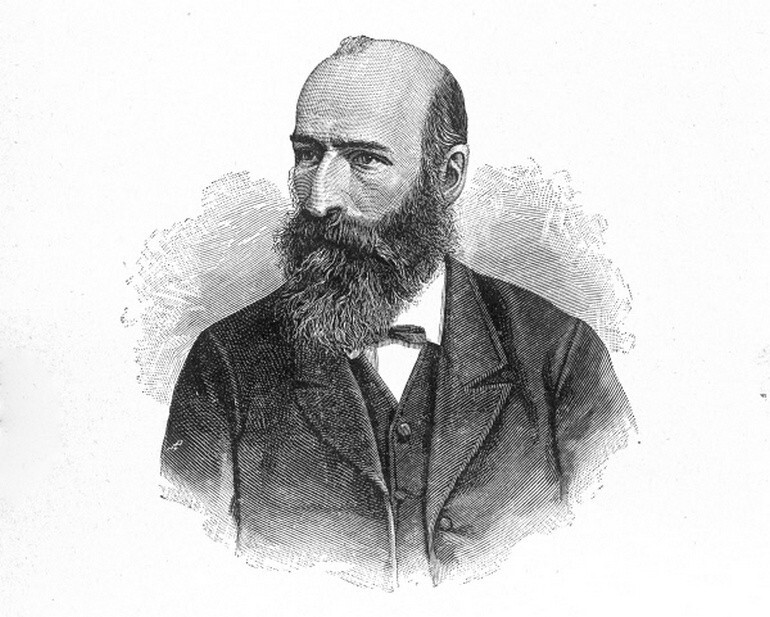
On 12th (24th) July 1826, in the provincial town of Boguchar in Voronezh Governorate, a man was born who would go on to accomplish a remarkable scholarly and cultural feat. Alexander Nikolayevich Afanasyev is a name that, sadly, is not familiar to everyone today. And this is entirely undeserved. It is thanks to him that generations of Russian children have grown up knowing the tales of Kolobok, The Frog Princess, Morozko, Koschei the Deathless and many others. A lawyer by training and an archivist by vocation, Afanasyev rescued hundreds of folk tales from oblivion. In doing so, he transformed a body of folklore that educated society had dismissed as the crude and unworthy culture of the common people into a national cultural heritage.
A lawyer by education, a storyteller by vocation
Mid-19th-century Russia was an era of profound change and fierce debates over national identity: who the Russians were, where they had come from, and where they were heading. Westernisers and Slavophiles clashed in literary salons, while the educated public, who spoke French, often looked down on popular culture. Peasant songs and tales were considered a frivolous pursuit, worthy of nothing more than ethnographic curiosity.
Afanasyev came from a modest provincial family and was not constrained by the conventions of high society. His father, a district solicitor, instilled in his son a love of books and learning. After graduating from the Voronezh Gymnasium, Alexander entered the Faculty of Law at Moscow State University. Yet the dry paragraphs of legal statutes could not stifle his burning interest in living history and literature. He eagerly attended the lectures by such eminent scholars as the historian Timofey Granovsky and the philologist Osip Bodiansky, and soon became deeply involved in Moscow's vibrant literary circles. While still a student, he began publishing his work in leading literary journals, including Sovremennik and Otechestvennye Zapiski.
It would have seemed that his career was preordained. In 1849, Afanasyev entered the service of the Moscow Main Archive of the Ministry of Foreign Affairs. For a historian, such a post was a veritable treasure trove: ancient manuscripts, scrolls, and charters. He served there for thirteen years, rising to the rank of Court Counsellor. Yet working with “dead” documents did not stifle his passion for the living word. In the early 1850s, by then an established researcher, Afanasyev secured a unique opportunity. The Russian Geographical Society entrusted him with its greatest treasure: a vast collection of folk tales gathered by collectors from every corner of Russia. From that moment, his life's greatest work began.
The work of his life
In 1851, Afanasyev had a bold idea: to bring all these scattered treasures together and publish them. He understood that the traditional world of the Russian village was disappearing. The elderly storytellers were dying, and with them an entire wise and poetic universe was fading away. There was no time to lose.
The scholar embarked on an enormous editorial undertaking. Above all, he was a brilliant textual scholar and editor, processing hundreds of manuscripts. Other enthusiasts helped him in his efforts. Vladimir Dahl generously gave him access to his vast personal archive, containing around a thousand records of folk tales. Afanasyev also drew invaluable material from the unique collection of Pyotr Kireyevsky. In 1855, the first instalment was published – and a triumph began.
Between 1855 and 1863, eight volumes of Russian Fairy Tales (Narodnye russkie skazki) were published. It was a monumental undertaking, comprising around 600 texts. And not simply texts: Afanasyev was the first to apply a scholarly approach to the systematisation of the tales, subsequently dividing them into magic tales, everyday tales, animal tales, and novel-like tales. He carefully preserved the living language of the people, including its dialects and distinctive local colour. His collection became the “Bible” of Russian folklore, comparable in importance to the celebrated collection of the Brothers Grimm in Germany.
A lawyer by education, a storyteller by vocation
Mid-19th-century Russia was an era of profound change and fierce debates over national identity: who the Russians were, where they had come from, and where they were heading. Westernisers and Slavophiles clashed in literary salons, while the educated public, who spoke French, often looked down on popular culture. Peasant songs and tales were considered a frivolous pursuit, worthy of nothing more than ethnographic curiosity.
Afanasyev came from a modest provincial family and was not constrained by the conventions of high society. His father, a district solicitor, instilled in his son a love of books and learning. After graduating from the Voronezh Gymnasium, Alexander entered the Faculty of Law at Moscow State University. Yet the dry paragraphs of legal statutes could not stifle his burning interest in living history and literature. He eagerly attended the lectures by such eminent scholars as the historian Timofey Granovsky and the philologist Osip Bodiansky, and soon became deeply involved in Moscow's vibrant literary circles. While still a student, he began publishing his work in leading literary journals, including Sovremennik and Otechestvennye Zapiski.
It would have seemed that his career was preordained. In 1849, Afanasyev entered the service of the Moscow Main Archive of the Ministry of Foreign Affairs. For a historian, such a post was a veritable treasure trove: ancient manuscripts, scrolls, and charters. He served there for thirteen years, rising to the rank of Court Counsellor. Yet working with “dead” documents did not stifle his passion for the living word. In the early 1850s, by then an established researcher, Afanasyev secured a unique opportunity. The Russian Geographical Society entrusted him with its greatest treasure: a vast collection of folk tales gathered by collectors from every corner of Russia. From that moment, his life's greatest work began.
The work of his life
In 1851, Afanasyev had a bold idea: to bring all these scattered treasures together and publish them. He understood that the traditional world of the Russian village was disappearing. The elderly storytellers were dying, and with them an entire wise and poetic universe was fading away. There was no time to lose.
The scholar embarked on an enormous editorial undertaking. Above all, he was a brilliant textual scholar and editor, processing hundreds of manuscripts. Other enthusiasts helped him in his efforts. Vladimir Dahl generously gave him access to his vast personal archive, containing around a thousand records of folk tales. Afanasyev also drew invaluable material from the unique collection of Pyotr Kireyevsky. In 1855, the first instalment was published – and a triumph began.
Between 1855 and 1863, eight volumes of Russian Fairy Tales (Narodnye russkie skazki) were published. It was a monumental undertaking, comprising around 600 texts. And not simply texts: Afanasyev was the first to apply a scholarly approach to the systematisation of the tales, subsequently dividing them into magic tales, everyday tales, animal tales, and novel-like tales. He carefully preserved the living language of the people, including its dialects and distinctive local colour. His collection became the “Bible” of Russian folklore, comparable in importance to the celebrated collection of the Brothers Grimm in Germany.
Between two fires: the censorship and the “Forbidden tales”
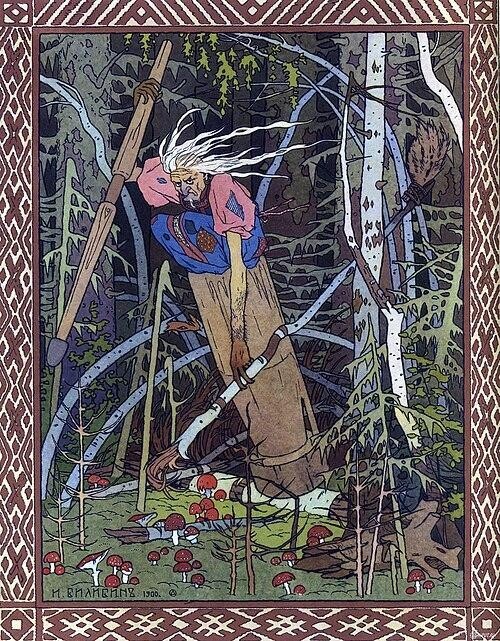
The authorities and the Church viewed Afanasyev's work with suspicion. The authentic folk tales contained far too much that was “inconvenient”: biting anti-clerical jokes, sharp satirical parodies of landowners and judges, and, at times, erotic themes. The tales familiar to modern readers in children's adaptations represent only the polished tip of a vast iceberg.
The censors repeatedly cut entire passages and banned individual instalments. Afanasyev realised that an enormous body of popular culture was at risk of being destroyed, and he took a considerable risk. He secretly sent the most “unpublishable” texts to Europe, bringing them together in a manuscript with the working title “Russian Folk Tales Not for Publication”. After the scholar's death, the collection was published anonymously in Geneva in 1872 under the printed title “Russian Forbidden Tales” (Russkie zavetnye skazki). The word zavetnye carried the sense of something “sacred”, “secret” or “hidden from prying eyes”. These tales preserved aspects of everyday folk life and humour without the slightest attempt to embellish or sanitise them. The books could not officially return to the homeland of their compiler until the late 1980s. In saving these texts for scholarship, Afanasyev performed an act not merely of a scholar, but of a courageous fighter for historical truth.
The authorities and the Church viewed Afanasyev's work with suspicion. The authentic folk tales contained far too much that was “inconvenient”: biting anti-clerical jokes, sharp satirical parodies of landowners and judges, and, at times, erotic themes. The tales familiar to modern readers in children's adaptations represent only the polished tip of a vast iceberg.
The censors repeatedly cut entire passages and banned individual instalments. Afanasyev realised that an enormous body of popular culture was at risk of being destroyed, and he took a considerable risk. He secretly sent the most “unpublishable” texts to Europe, bringing them together in a manuscript with the working title “Russian Folk Tales Not for Publication”. After the scholar's death, the collection was published anonymously in Geneva in 1872 under the printed title “Russian Forbidden Tales” (Russkie zavetnye skazki). The word zavetnye carried the sense of something “sacred”, “secret” or “hidden from prying eyes”. These tales preserved aspects of everyday folk life and humour without the slightest attempt to embellish or sanitise them. The books could not officially return to the homeland of their compiler until the late 1980s. In saving these texts for scholarship, Afanasyev performed an act not merely of a scholar, but of a courageous fighter for historical truth.
The “Poetic views” and the Russian style
Afanasyev was not merely an archivist. He was one of the leading representatives of the mythological school. In his monumental three-volume work “The Poetic Views of the Slavs on Nature” (1865–1869), he attempted to explain fairy-tale plots through ancient pagan beliefs and the worship of the forces of nature, the sun, thunder, and wind. For his time, this was a breakthrough. Although modern scholarship has moved away from many of Afanasyev’s straightforward interpretations, his work remains an important encyclopaedia of Slavic mythology – the “old but good book, made with love”, as Maxim Gorky described it.
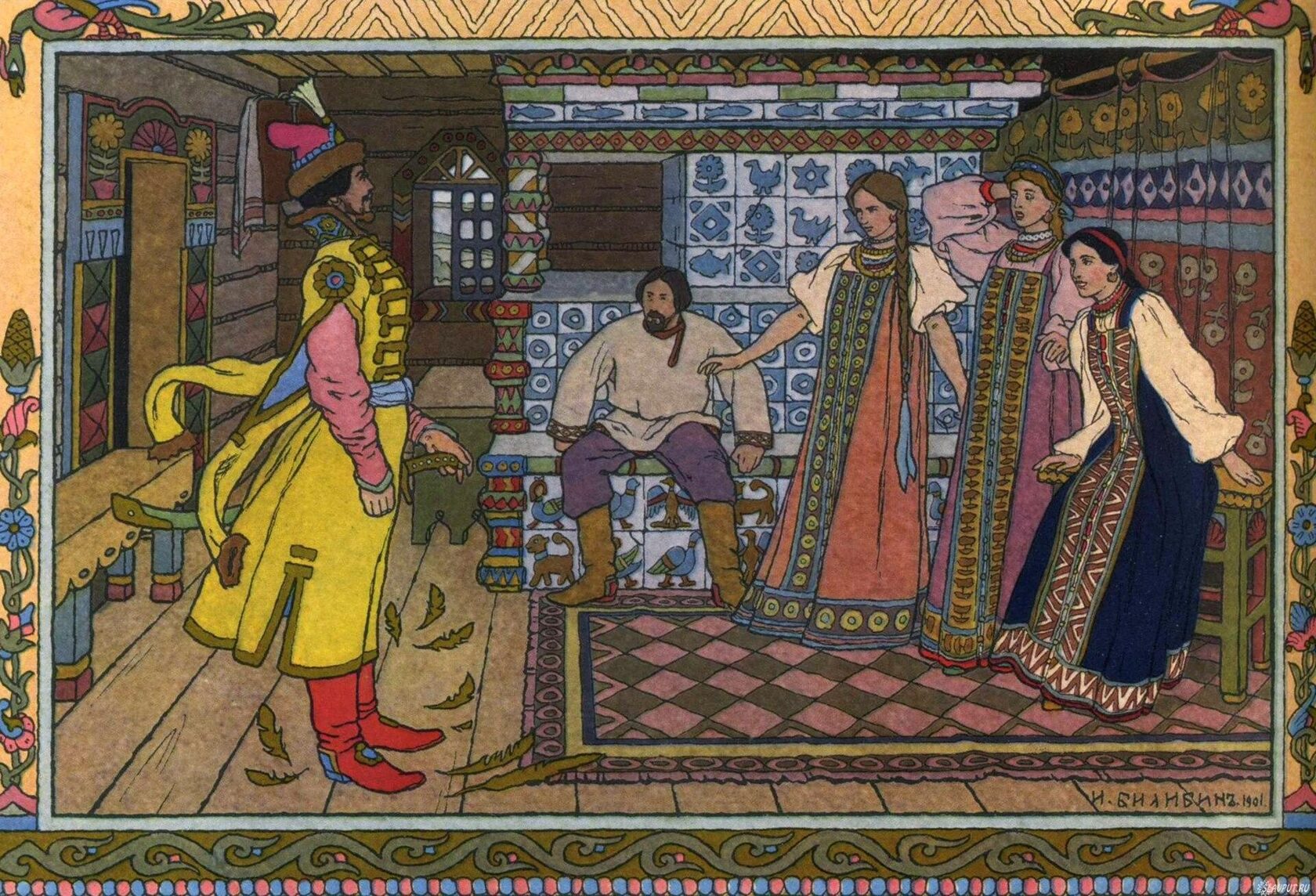
Afanasyev’s enormous contribution was to awakening Russian society’s interest in its own ancient heritage. His works demonstrated that folk culture was not something primitive, but a profound form of philosophy and aesthetics. It was precisely this scholarly impulse that helped give rise to the Russian style in art. Without his books, there would have been no famous paintings by Viktor Vasnetsov and Ivan Bilibin, nor Rimsky-Korsakov’s operas based on fairy-tale plots. Architects became fascinated with the Neo-Russian style and began building terem-like houses with elaborately carved window frames. Afanasyev restored the nation’s connection with its own poetic heritage.
A tragic end and an immortal legacy
The scholar’s life came to a tragically early end. Because of his acquaintance with the political émigré V. I. Kelsiyev, Afanasyev became involved in the so-called “Case of the Thirty-Two” and was dismissed from government service. Although the court ultimately released him from punishment, he was forbidden from holding government positions in the future. He was in dire need and lived in poverty, yet he continued to work. In 1870, in an attempt to earn enough to support himself, he published Russian Fairy Tales for Children, an adapted version of his main collection intended for family reading. The book was successful, but it could no longer save the scholar’s failing health. On 5th October (23rd September, Old Style) 1871, at just 45 years of age, Alexander Nikolayevich Afanasyev died of consumption. Ivan Turgenev wrote to Afanasy Fet at the time: “Recently A. N. Afanasyev died literally of hunger, while his literary achievements will be remembered long after ours have faded into oblivion.”
Afanasyev did not live to receive official recognition, but his work stood the test of time. His main collection was republished dozens of times. Thanks to him, we know not merely the plots of Russian fairy tales, but also the authentic, wise, and humorous voice of the Russian people. The monumental body of work preserved a living connection between the past and the future. And as long as we continue to read “The Little Round Bun” (Kolobok) or “The Frog Princess” to children, the folk culture created over centuries continues to live.
Afanasyev was not merely an archivist. He was one of the leading representatives of the mythological school. In his monumental three-volume work “The Poetic Views of the Slavs on Nature” (1865–1869), he attempted to explain fairy-tale plots through ancient pagan beliefs and the worship of the forces of nature, the sun, thunder, and wind. For his time, this was a breakthrough. Although modern scholarship has moved away from many of Afanasyev’s straightforward interpretations, his work remains an important encyclopaedia of Slavic mythology – the “old but good book, made with love”, as Maxim Gorky described it.
Afanasyev’s enormous contribution was to awakening Russian society’s interest in its own ancient heritage. His works demonstrated that folk culture was not something primitive, but a profound form of philosophy and aesthetics. It was precisely this scholarly impulse that helped give rise to the Russian style in art. Without his books, there would have been no famous paintings by Viktor Vasnetsov and Ivan Bilibin, nor Rimsky-Korsakov’s operas based on fairy-tale plots. Architects became fascinated with the Neo-Russian style and began building terem-like houses with elaborately carved window frames. Afanasyev restored the nation’s connection with its own poetic heritage.
A tragic end and an immortal legacy
The scholar’s life came to a tragically early end. Because of his acquaintance with the political émigré V. I. Kelsiyev, Afanasyev became involved in the so-called “Case of the Thirty-Two” and was dismissed from government service. Although the court ultimately released him from punishment, he was forbidden from holding government positions in the future. He was in dire need and lived in poverty, yet he continued to work. In 1870, in an attempt to earn enough to support himself, he published Russian Fairy Tales for Children, an adapted version of his main collection intended for family reading. The book was successful, but it could no longer save the scholar’s failing health. On 5th October (23rd September, Old Style) 1871, at just 45 years of age, Alexander Nikolayevich Afanasyev died of consumption. Ivan Turgenev wrote to Afanasy Fet at the time: “Recently A. N. Afanasyev died literally of hunger, while his literary achievements will be remembered long after ours have faded into oblivion.”
Afanasyev did not live to receive official recognition, but his work stood the test of time. His main collection was republished dozens of times. Thanks to him, we know not merely the plots of Russian fairy tales, but also the authentic, wise, and humorous voice of the Russian people. The monumental body of work preserved a living connection between the past and the future. And as long as we continue to read “The Little Round Bun” (Kolobok) or “The Frog Princess” to children, the folk culture created over centuries continues to live.