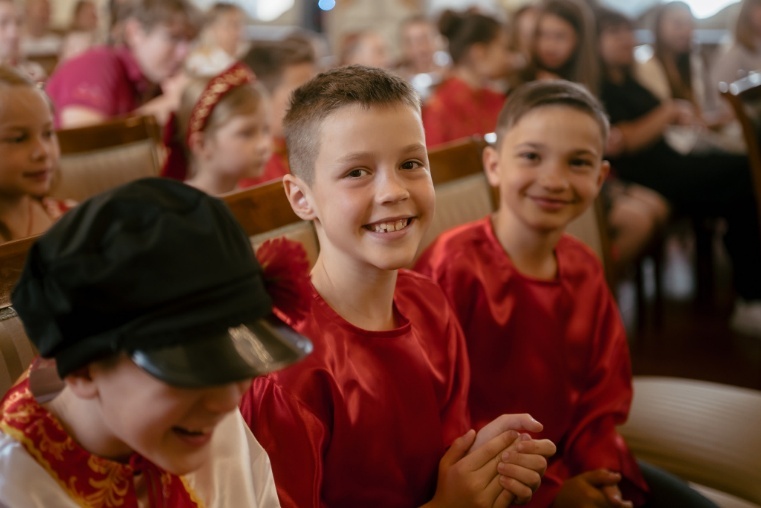
This spring in Rome, two major events were held for Russian-speaking children from across Europe: the International Creative Competition “Friends of Russia” and the International Festival of Children’s Theatres. The organiser of both events, Natalya Gorina, also heads a weekend school in Rome, and she explains why preserving the Russian language and engaging with Russian culture is so important for her students and their parents.
– At the end of May 2026, you held the international creative competition “Friends of Russia”. How wide is the competition's reach, and whom is it aimed at?
– For the second year running, we have been holding the international creative festival-competition “Friends of Russia”, jointly with the “Matryoshka” Centre for Russian Language and Culture in Ireland. Anyone aged from seven to seventeen may take part in it.
– At the end of May 2026, you held the international creative competition “Friends of Russia”. How wide is the competition's reach, and whom is it aimed at?
– For the second year running, we have been holding the international creative festival-competition “Friends of Russia”, jointly with the “Matryoshka” Centre for Russian Language and Culture in Ireland. Anyone aged from seven to seventeen may take part in it.
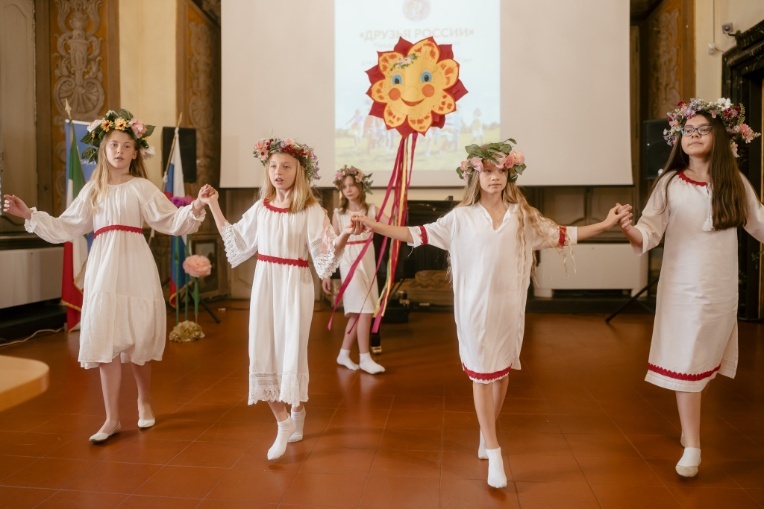
This year, more than 200 children from 24 countries around the world took part in the competition. The final in Rome brought together participants from 10 countries who were able to attend in person. The festival was held in a hybrid format – both offline and online – which allowed every child to showcase their talent.
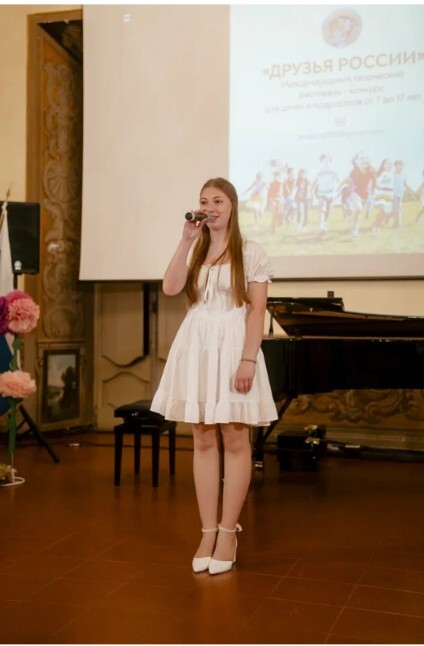
The “Friends of Russia” competition is an opportunity to reveal one's talents, to meet kindred spirits from various corners of the globe, and to become part of a great cultural dialogue. We believe that every work, be it a drawing, a poem, a dance, or a song, will become a little bridge of friendship between countries and peoples.
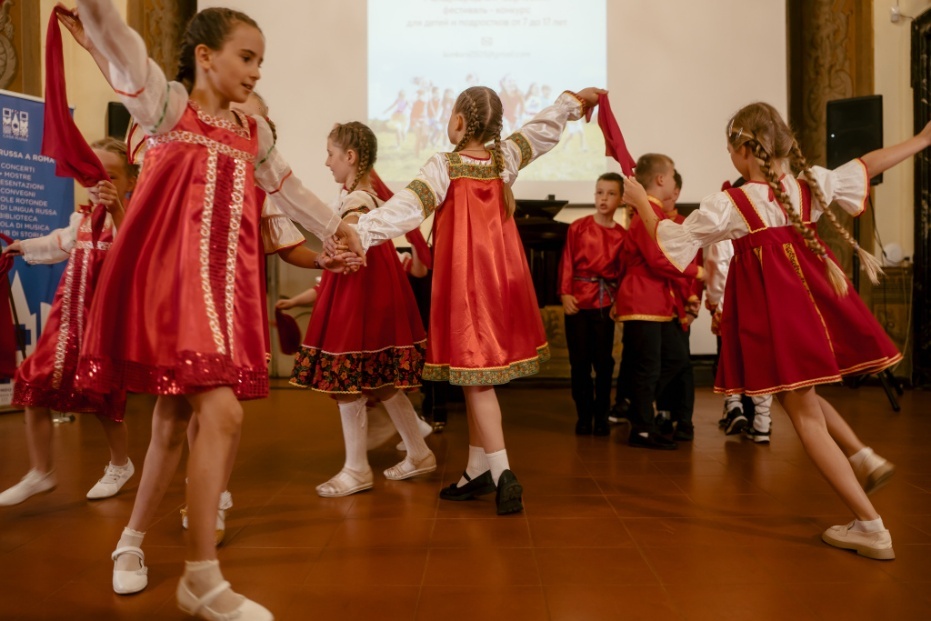
– On 3rd April, the first International Festival of Children’s Theatres “What a delight these tales are…” took place in Rome. The educational and methodological centre that you head became a co-organiser of this festival. Tell us about the participants – are the theatre studios based at Russian schools?
– The festival “What a Delight These Tales Are…” was created to support children’s theatre groups, but it ultimately became a true celebration for young talents. They were able to reveal their creative potential, exchange experience with peers from other countries, and immerse themselves in the magical world of stage art.
Children’s and youth theatres came to Rome from France, Greece, Italy, Spain, Austria and Malta. For the most part, these are active theatre studios operating at Russian Houses, Russian cultural and educational centres.
– The festival “What a Delight These Tales Are…” was created to support children’s theatre groups, but it ultimately became a true celebration for young talents. They were able to reveal their creative potential, exchange experience with peers from other countries, and immerse themselves in the magical world of stage art.
Children’s and youth theatres came to Rome from France, Greece, Italy, Spain, Austria and Malta. For the most part, these are active theatre studios operating at Russian Houses, Russian cultural and educational centres.
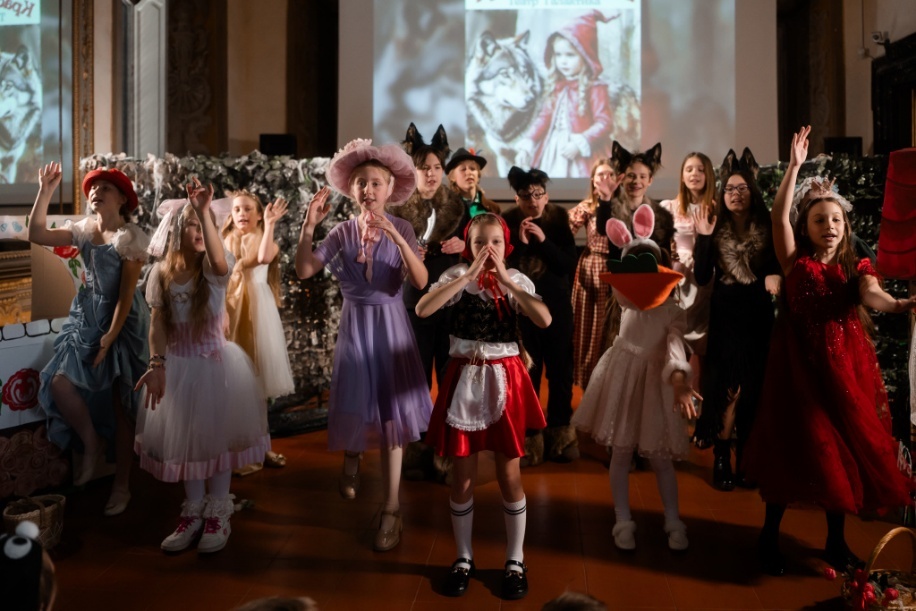
We watched every child with great joy and sincere respect for the work of the directors, leaders and teachers. Every participant deserved the warmest applause! Such performances are not only a success in children’s theatrical art, but also living proof of love for the great Russian language.
The hall of the Russian House in Rome was full. The audience was able to touch the world of fairy tales and experience the magical, philosophical and mythological images brought to life on stage.
The festival became a true Easter gift for our young compatriots.
– How common are children’s theatre studios in the Russian-speaking communities abroad? How does theatre help children master the Russian language?
– Abroad, children’s theatre studios in Russian are not as widespread as we would like, and they are mainly found at Russian schools and cultural centres.
Theatre helps bilingual children master Russian through play. New words appear in the context of characters; children not only learn their lines but also begin to speak spontaneously rather than simply repeating after the teacher. Language is acquired faster than in ordinary lessons. Diction, intonation and expressiveness are developed. Most importantly, language becomes a game rather than a lesson, so there is no barrier. Children are not afraid to speak or make mistakes. For bilinguals, this is one of the best ways to preserve the Russian language and speak it naturally, without tension.
– For the first festival, you chose the theme of fairy tales. Why exactly this theme?
– It is the warmest and most accessible format for children, one that evokes emotions and genuine interest. A fairy tale is a “seed of wisdom” from which grows an understanding of goodness, beauty, and life itself. It shows the striving for good and justice, the protection of the weak, and heroism – values that are essential in raising children.
We took the title from Alexander Pushkin’s words: “What a delight these tales are… Each one is a poem!” These words are filled with deep philosophical meaning. Fairy tales serve to promote the finest traits of the Russian national character.
The hall of the Russian House in Rome was full. The audience was able to touch the world of fairy tales and experience the magical, philosophical and mythological images brought to life on stage.
The festival became a true Easter gift for our young compatriots.
– How common are children’s theatre studios in the Russian-speaking communities abroad? How does theatre help children master the Russian language?
– Abroad, children’s theatre studios in Russian are not as widespread as we would like, and they are mainly found at Russian schools and cultural centres.
Theatre helps bilingual children master Russian through play. New words appear in the context of characters; children not only learn their lines but also begin to speak spontaneously rather than simply repeating after the teacher. Language is acquired faster than in ordinary lessons. Diction, intonation and expressiveness are developed. Most importantly, language becomes a game rather than a lesson, so there is no barrier. Children are not afraid to speak or make mistakes. For bilinguals, this is one of the best ways to preserve the Russian language and speak it naturally, without tension.
– For the first festival, you chose the theme of fairy tales. Why exactly this theme?
– It is the warmest and most accessible format for children, one that evokes emotions and genuine interest. A fairy tale is a “seed of wisdom” from which grows an understanding of goodness, beauty, and life itself. It shows the striving for good and justice, the protection of the weak, and heroism – values that are essential in raising children.
We took the title from Alexander Pushkin’s words: “What a delight these tales are… Each one is a poem!” These words are filled with deep philosophical meaning. Fairy tales serve to promote the finest traits of the Russian national character.
– Which performances at the festival received the warmest response from the audience? And how did the festival go overall? Are there plans to continue it?
– We received so many positive responses, words of gratitude and requests to repeat the festival that we simply cannot ignore them. Together with my colleague Yulia Aristova, head of the children’s theatre studio “Galaktika” (Italy), we are already thinking about organising the next festival, therefore we look forward to welcoming even more young talents next year who will present their “delightful” fairy tales on the stage of the Russian House in Rome.
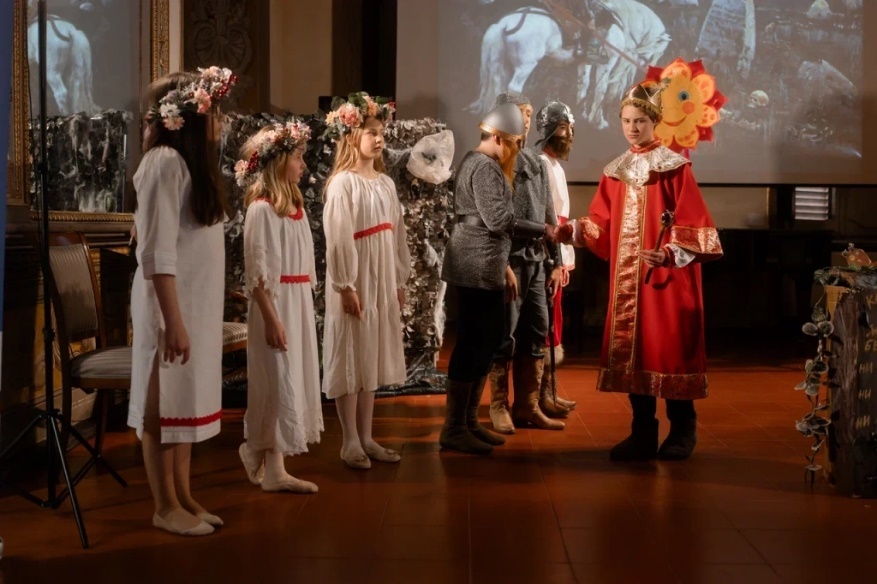
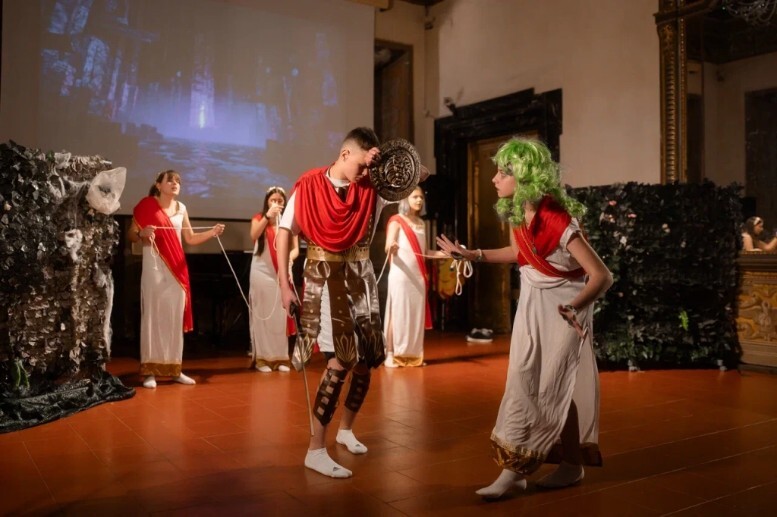
The festival programme was not competitive and did not involve determining winners. However, the strongest response was generated by The Bogatyrs (performed by the children’s musical theatre “Galaktika”, Rome, Italy) and The Myth of Perseus and Medusa the Gorgon (performed by the theatre studio of the Matryoshka Cultural and Creative Centre, Thessaloniki, Greece). These productions embodied the epic concept of heroic strength and compassion for the weak. The audience was particularly impressed by the costumes, scenery, and familiar songs performed in a new way.
– We received so many positive responses, words of gratitude and requests to repeat the festival that we simply cannot ignore them. Together with my colleague Yulia Aristova, head of the children’s theatre studio “Galaktika” (Italy), we are already thinking about organising the next festival, therefore we look forward to welcoming even more young talents next year who will present their “delightful” fairy tales on the stage of the Russian House in Rome.
The festival programme was not competitive and did not involve determining winners. However, the strongest response was generated by The Bogatyrs (performed by the children’s musical theatre “Galaktika”, Rome, Italy) and The Myth of Perseus and Medusa the Gorgon (performed by the theatre studio of the Matryoshka Cultural and Creative Centre, Thessaloniki, Greece). These productions embodied the epic concept of heroic strength and compassion for the weak. The audience was particularly impressed by the costumes, scenery, and familiar songs performed in a new way.
– Your educational and methodological centre is called “Russkiy Mir”. What classes do you offer and for children of what age?
– Our centre is a supplementary education school. Classes are held in person only on Saturdays, as during the week the children attend mainstream Italian schools. The children who come to us are either from mixed families (Russian mother, Italian father) or children whose families have relocated from the post-Soviet space and now reside permanently in Italy.
The programmes we use were specially developed for bilingual children and are designed for supplementary education schools abroad, that is, schools like ours. We currently have 14 teachers on staff. The number of both students and teachers grows every year. Alongside the Russian language, we teach literature, music, creative art, the world around us, and the geography and history of Russia. There are also optional subjects: for instance, dance lessons, piano lessons, and a theatre studio.
– Our centre is a supplementary education school. Classes are held in person only on Saturdays, as during the week the children attend mainstream Italian schools. The children who come to us are either from mixed families (Russian mother, Italian father) or children whose families have relocated from the post-Soviet space and now reside permanently in Italy.
The programmes we use were specially developed for bilingual children and are designed for supplementary education schools abroad, that is, schools like ours. We currently have 14 teachers on staff. The number of both students and teachers grows every year. Alongside the Russian language, we teach literature, music, creative art, the world around us, and the geography and history of Russia. There are also optional subjects: for instance, dance lessons, piano lessons, and a theatre studio.
– Are there many Russian-speaking schools in Italy?
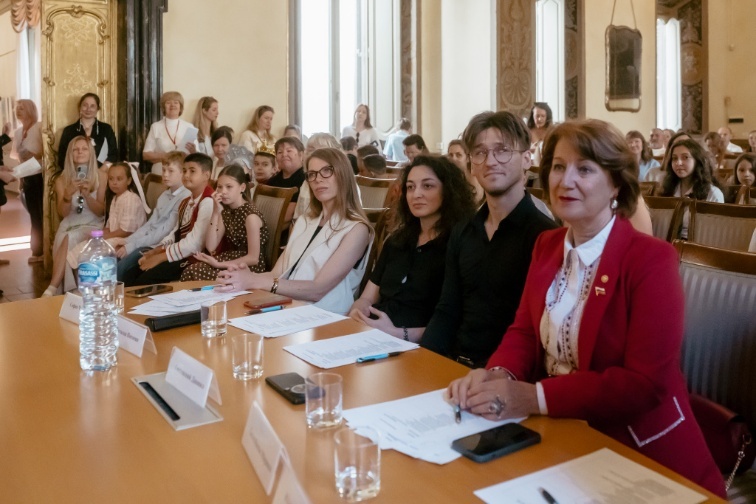
– Yes, there are quite a few. Italy has many Russian weekend schools – in Rome, Milan, Naples, Verona and other cities. They are created and run on pure enthusiasm by Russian women who want their children not to lose the Russian language and to maintain a connection with Russian culture. And what is more, adult Italians come here, too, simply because they wish to acquaint themselves with the Russian language, literature, and traditions.
– What motivates the parents who bring their children to Russian schools?
– Parents bring their children to a Russian school not just for lessons, but so that the child does not lose their Russian – their native language. They want their children to be able to speak freely with their grandparents, understand family traditions and feel the cultural code – those deep meanings, values and images that live in Russian literature, songs, holidays and fairy tales. It is important for them that the child spends at least one day a week in a Russian-speaking environment, where there are friends, celebrations, books and soul – where the language is truly alive and not just “studied as a subject”. A knowledge of Russian is the key to our cultural code, which shapes personality and gives the child a sense of belonging: “I am part of a great culture and history.”
– Yes, there are quite a few. Italy has many Russian weekend schools – in Rome, Milan, Naples, Verona and other cities. They are created and run on pure enthusiasm by Russian women who want their children not to lose the Russian language and to maintain a connection with Russian culture. And what is more, adult Italians come here, too, simply because they wish to acquaint themselves with the Russian language, literature, and traditions.
– What motivates the parents who bring their children to Russian schools?
– Parents bring their children to a Russian school not just for lessons, but so that the child does not lose their Russian – their native language. They want their children to be able to speak freely with their grandparents, understand family traditions and feel the cultural code – those deep meanings, values and images that live in Russian literature, songs, holidays and fairy tales. It is important for them that the child spends at least one day a week in a Russian-speaking environment, where there are friends, celebrations, books and soul – where the language is truly alive and not just “studied as a subject”. A knowledge of Russian is the key to our cultural code, which shapes personality and gives the child a sense of belonging: “I am part of a great culture and history.”